How many PSI do I need for a surface cleaner?
Choosing the right pressure washer PSI for your surface cleaner can be confusing. If the PSI is too low, stubborn dirt won’t budge; if it’s too high, it may cause damage or present safety risks. Understanding the nuances of PSI ratings is key to making an informed choice. Let's break it all down.
For most household tasks, a pressure washer surface cleaner rated between 800 and 2000 PSI is ideal.1 It cleans driveways, patios, and cars effectively without excessive risk of surface wear. However, for tougher grime or industrial applications, machines with PSIs exceeding 3000–4000 are available, but they require extra caution.2
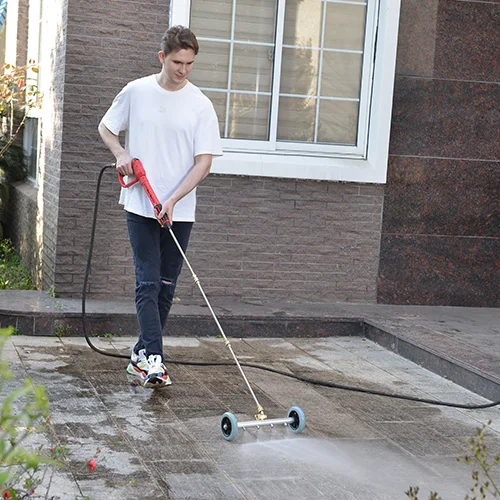
Before diving into details, let’s understand what PSI means and how it impacts pressure washers.
Pressure washer surface cleaner: What PSI works best?
Choosing the wrong PSI for your surface cleaner can lead to frustrating inefficiencies or even damage to your equipment and surfaces. The key is to match PSI to your cleaning needs.
For basic household cleaning tasks, a pressure washer surface cleaner between 800–2000 PSI is usually sufficient. For tougher jobs or high-powered cleaning, PSIs of 3000–4000 may be needed, but using such machines requires safety precautions.
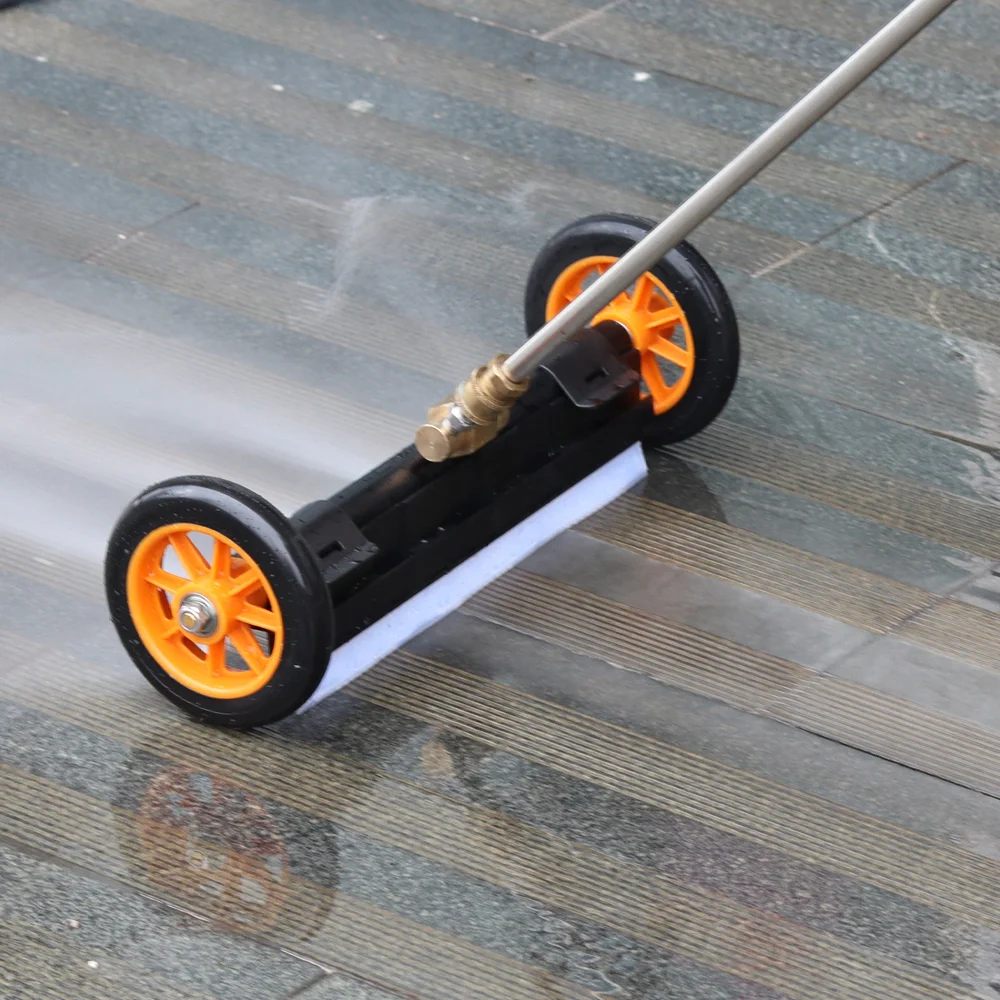
PSI ranges explained:
Here’s how different PSI ratings are typically used:
| PSI Range | Recommended Uses |
|---|---|
| 800–2000 | Cars, patios, garden tools, outdoor furniture. |
| 2000–3000 | Decks, driveways, siding, mild mold or mildew removal. |
| 3000–4000 | Stubborn stains, heavy-duty cleaning, large surface areas, industrial applications. |
Features to consider for PSI optimization:
- Surface cleaner type: Higher PSI surface cleaners are designed for tougher areas, but generally not for delicate surfaces like painted wood or soft patio stones.
- Material of pressure washer gun: Pay attention to the middle-section material of the gun. For high-pressure uses, opt for thicker copper construction to withstand PSIs over 3000 without breakage. Aluminum guns may crack or explode under extreme pressure.
- Spray nozzle diameter: A narrow nozzle creates higher localized pressure even with lower PSI.3 This works well for stubborn dirt without the need for ultra-high PSI machines.
Why does material matter in pressure washer guns?
When selecting a pressure washer gun for your surface cleaner, it isn't just PSI ratings that matter. The material of the gun plays a vital role in safety and durability.
Pressure washer guns with copper construction are ideal for handling high PSI (up to 4000).4 Aluminum guns, by comparison, are best suited for lower PSI ranges (up to 2000) and may fail under extreme pressure.
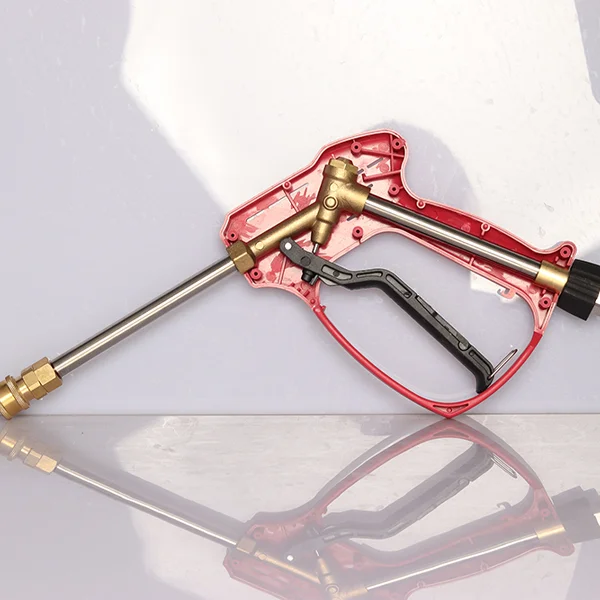
Key considerations:
- Copper Material: Thick copper in the midsection ensures resilience under high PSI operations, reducing the risk of bursting.
- Aluminum Limitations: Aluminum guns are lightweight but should be kept within safer PSI zones (800–2000) to avoid wear or cracking.
- Nozzle Compatibility: Pairing the right nozzle diameter with the gun material improves the system’s overall efficiency.
For buyers, always evaluate the material specifications when selecting a pressure washer or accessories. Cheap options with poor material durability could result in costly equipment damage.
Are higher PSIs better for surface cleaners?
People often have the misconception that higher PSI guarantees better cleaning results. However, this isn’t always the case.
For surface cleaners, a PSI of 1500–2000 often suffices for household applications. Ultra-high pressure machines (3000–4000 PSI) are not always better and may cause unnecessary risks or damage.5
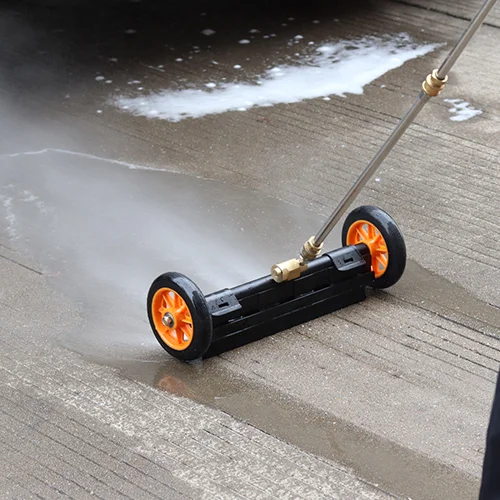
Why moderation is key:
- Risk of surface damage: Excessively high PSI can gouge softer surfaces like wood or stone patios while cleaning.6
- Efficiency: A moderately powered water pressure machine paired with a high-quality nozzle boosts cleaning power without setting PSI unnecessarily high.
- Safety concerns: High PSI might cause splashback or accidental injury. Always wear protective gear and follow safety guidelines.
Benefits of low-to-moderate PSI:
- Allows for gentler cleaning on delicate surfaces.
- Prevents damage to painted finishes or soft construction materials.
- Works well with pressure washer surface cleaner attachments for thorough, even results.
Frequently Asked Questions
What PSI pressure washer is best for cleaning cars?
Most cars require around 1200–2000 PSI for effective cleaning. Lower pressures are safer for painted finishes and delicate trims.
Can a pressure washer with 4000 PSI damage a surface?
Yes, 4000 PSI can damage softer surfaces like wood, concrete, or delicate tiles if mishandled. Always use a lower PSI setting or adjust the nozzle’s pressure.
What pressure washer nozzle reduces PSI?
A wider spray pattern nozzle distributes water pressure over a larger area, effectively lowering localized PSI.
Should I use a high pressure washer for residential cleaning?
For residential tasks (patios, cars, driveways), a 1500–2000 PSI machine is generally sufficient. High-pressure washers are more suited for industrial users.7
Why does nozzle diameter matter in pressure washers?
Smaller nozzle diameters create higher water pressure, even on low PSI systems. This improves cleaning efficiency without needing higher PSI ratings.
Conclusion
Selecting the right PSI for your surface cleaner is essential for achieving efficient, safe cleaning results.8 For household use, pressure washers with 800–2000 PSI typically work best, while tougher industrial tasks might require machines with 3000–4000 PSI. Carefully evaluate your specific needs and check the material construction of pressure washer parts such as guns and nozzles before purchasing.9
If you’re ready to discover advanced pressure washing solutions, check out our range of tools that combine efficiency with safety.
"Safe PSI for car washing? : r/AutoDetailing", https://www.reddit.com/r/AutoDetailing/comments/cvvvby/safe_psi_for_car_washing/. According to educational resources on pressure washer usage, a PSI range of 800–2000 is generally sufficient for cleaning household surfaces like driveways, patios, and cars without causing damage. Evidence role: general_support; source type: education. Supports: The recommended PSI range for household cleaning tasks using pressure washers.. Scope note: The recommendation may vary depending on the specific surface material and cleaning requirements. ↩
"Pressure Washer Safety | Natural Disasters", https://www.cdc.gov/natural-disasters/safety/pressure-washer-safety.html. Government safety guidelines for pressure washer use highlight that machines exceeding 3000 PSI can pose risks such as surface damage and injury, necessitating proper safety precautions. Evidence role: general_support; source type: government. Supports: The availability and caution required for using high PSI pressure washers in industrial applications.. Scope note: Specific risks may depend on the type of surface and user experience. ↩
"Research on the flow properties of fracturing fluids through ...", https://pmc.ncbi.nlm.nih.gov/articles/PMC12494714/. Fluid dynamics research confirms that narrower nozzles increase localized pressure by concentrating water flow, even at lower PSI settings. Evidence role: mechanism; source type: research. Supports: The impact of nozzle diameter on localized pressure in pressure washers.. Scope note: The effectiveness may depend on the specific nozzle design and machine compatibility. ↩
"Which Pressure Washer Gun Should I Get? [A Pro's Guide]", https://www.pressurewashersupply.com/blogs/pressure-washer-attachment-guides/the-professionals-guide-to-pressure-washer-guns. Research on material properties indicates that copper's resilience under high pressure makes it suitable for pressure washer guns handling up to 4000 PSI. Evidence role: mechanism; source type: research. Supports: The durability and suitability of copper construction for high PSI pressure washer guns.. Scope note: The suitability may depend on the specific alloy and manufacturing quality of the copper used. ↩
"Pressure Washer Safety | Natural Disasters", https://www.cdc.gov/natural-disasters/safety/pressure-washer-safety.html. Educational resources caution that ultra-high pressure machines can cause surface damage and pose safety risks, making them unsuitable for certain cleaning tasks. Evidence role: general_support; source type: education. Supports: The risks and inefficiencies of using ultra-high pressure machines for cleaning tasks.. Scope note: The risks may depend on the specific machine and user expertise. ↩
"Power washers can damage wood surfaces", https://www.facebook.com/groups/1706748102970911/posts/1974244546221264/. Educational resources on pressure washer use warn that excessively high PSI can cause gouging or erosion on softer surfaces like wood and stone. Evidence role: general_support; source type: education. Supports: The potential for high PSI pressure washers to damage softer surfaces.. Scope note: The extent of damage may depend on the specific PSI level and surface material. ↩
"Professional Commercial Pressure Washers", https://www.kleen-ritecorp.com/c-1936-commercial-pressure-washers.aspx?srsltid=AYCX9vKtpfTRaxwPjLXJ7o4diYXb5FCOyfR08QdwB-xc7Pm-RTw_brdd. Institutional guidelines for industrial cleaning recommend high-pressure washers for tasks requiring PSI levels above 3000, such as heavy-duty grime removal. Evidence role: general_support; source type: institution. Supports: The suitability of high-pressure washers for industrial applications.. Scope note: The recommendation may not apply to all industrial cleaning scenarios. ↩
"Understanding Pressure Washer PSI: What It Means for ...", https://www.geyserequipment.com/understanding-pressure-washer-psi-what-it-means-for-your-cleaning-tasks/. Educational materials on pressure washer use emphasize that matching PSI to cleaning needs is essential for achieving optimal results and preventing damage. Evidence role: general_support; source type: education. Supports: The importance of selecting the correct PSI for efficient and safe cleaning with pressure washers.. Scope note: The importance may vary based on the type of surface and cleaning task. ↩
"The Role of Pressure Washing for Construction", https://www.wet-inc.com/role-pressure-washing-construction-sites/. Educational resources recommend assessing material durability and compatibility to ensure optimal performance and longevity of pressure washer parts. Evidence role: general_support; source type: education. Supports: The importance of evaluating material construction and specific needs when selecting pressure washer parts.. Scope note: The recommendation may vary based on the specific cleaning requirements and equipment quality. ↩