What Do Professional Cleaners Use on Floors?
Professional floor cleaning often involves heavy-duty messes like dirt, stains, and grime that regular household tools fail to address. Using the right cleaning tools not only ensures efficiency but also preserves the floor's material integrity for long-term use.1 Let's explore the tools and techniques utilized by professional cleaners for achieving spotless results.
Professional cleaners commonly use specialized floor cleaning machines, industrial-strength detergents, and tools like pressure washers for floors.2 These tools remove stubborn grime, algae, and stains faster and more efficiently than household alternatives.
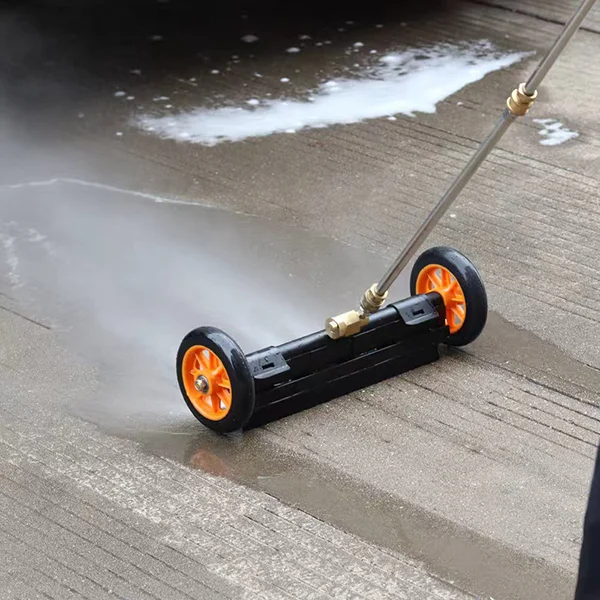
Floor cleaning is a good example where matching tools to the task is essential. Regular brushes or mops often struggle to clean tough messes like thick grease or moss. Keep scrolling to discover the specific tools and equipment professionals rely on.
Why Are Pressure Washers Popular for Floor Cleaning?
Pressure washers solve the most frustrating floor cleaning problems through brute force combined with precision. Professionals swear by them for many reasons.
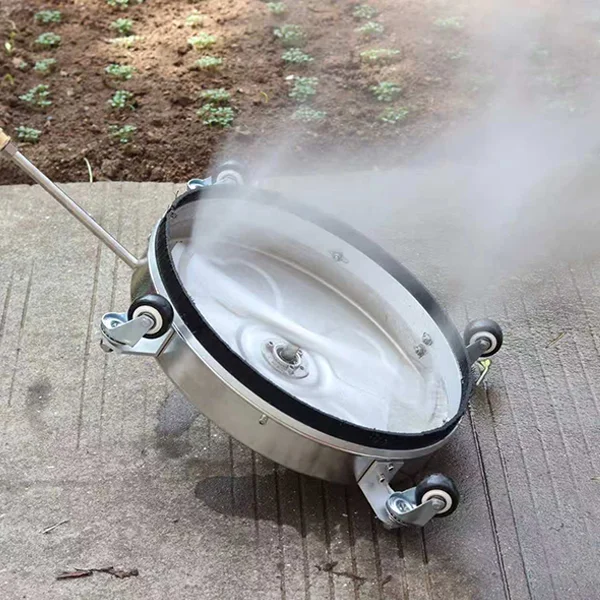
Pressure washers are favored because they deliver high-powered water streams that quickly dislodge stubborn dirt and debris, saving time and minimizing the need for manual scrubbing.3
Dive Deeper: Benefits of Pressure Washers
Pressure washers leverage water pressure to effectively clean various surfaces. Professional cleaners use them on outdoor floors such as driveways, patios, or garden paths where grime often builds up. Here’s why:
- Versatility: They work well on concrete, tiles, and stone, adapting to multiple floor types.4
- Powerful Dirt Removal: Even embedded grime and algae come off easily.
- Time Efficiency: Cleaning a 50-square-meter patio may take hours with a brush but just 20 minutes using a pressure washer.
For example, I once witnessed a household cleaning a fishing net—a task regular brushes or cleaning machines simply couldn’t handle. Using a pressure washer made perfect sense because the textured surface demanded an intense cleaning tool to get the job done efficiently. Similarly, using pressure washers on textured outdoor floor surfaces lets you achieve far deeper cleans than manual tools ever could.
How Do Commercial Floor Cleaners Differ?
Most homeowners rely on store-bought cleaning equipment, often designed for minimal mess. Commercial-grade tools, however, are built to tackle industrial dirt, larger spaces, and tougher stains.
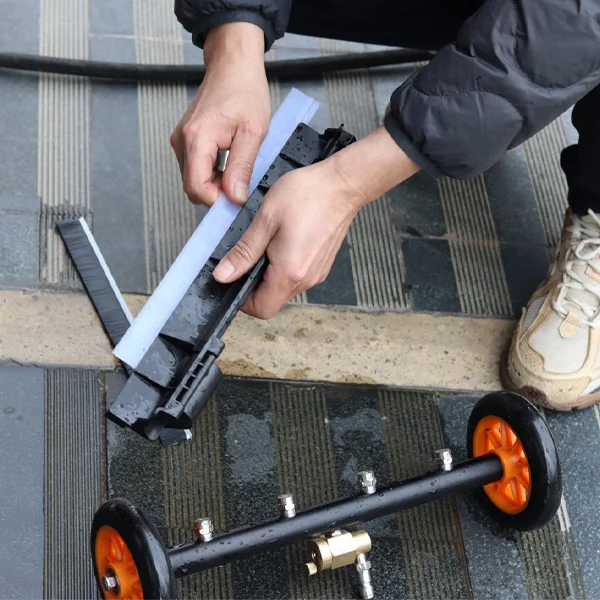
Commercial floor cleaners differ by offering more robust functionality, larger capacities, and custom settings tailored to varied floor types or conditions.5
Dive Deeper: Types of Commercial Cleaning Tools
Professionals don’t use one-size-fits-all tools. Here are examples:
| Equipment | Best Use Case | Advantages |
|---|---|---|
| Floor Scrubbers | Indoor tiles, wood | Removes stains without scratching. |
| Pressure Washers | Concrete, stone | Clears moss, mud, and algae. |
| Steam Cleaners | Sensitive surfaces | Sanitizes without chemicals. |
Industrial-grade tools simplify large-scale cleaning tasks.6 A high-powered scrubber, for example, covers more ground with less effort. It also reduces wear-and-tear concerns, ensuring your floor stays undamaged while undergoing deep cleaning.
What’s the Role of Specialized Detergents?
Detergents enhance cleaning performance when paired with tools. Professional-grade formulas are stronger than standard over-the-counter products.
Specialized detergents break down grease, mold, and calcium deposits.7 They work synergistically with machines to improve cleaning results in less time.
Dive Deeper: Choosing the Right Detergent
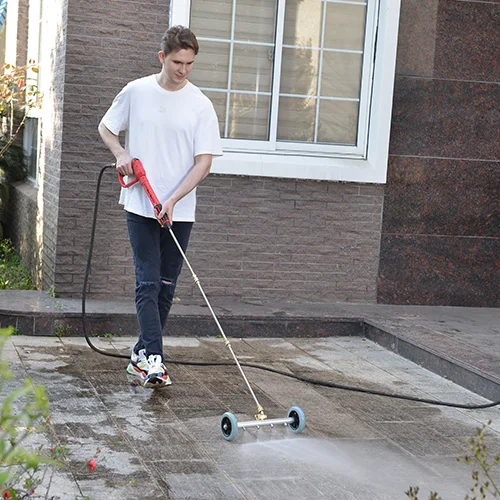
Professional cleaners select detergents based on the floor material and type of dirt. For instance:
- Concrete floors benefit from degreasers that rapidly dissolve oil-based stains.
- Wood floors require mild, non-abrasive detergents to prevent damage.
- Outdoor tiles often demand acid-based solutions to tackle limescale and calcium buildup.
I always recommend testing detergents on a small spot first to prevent unintentional damage. Many manufacturers also provide guides highlighting which cleaning agents are optimized for specific machines, like pressure washers or scrubbers.
Can Brushes Still Be Useful for Floor Cleaning?
Brushes have a place in professional cleaning routines, especially for textured floors.
Brushes offer precision cleaning for smaller, textured areas where machines may struggle to access or effectively clean.8
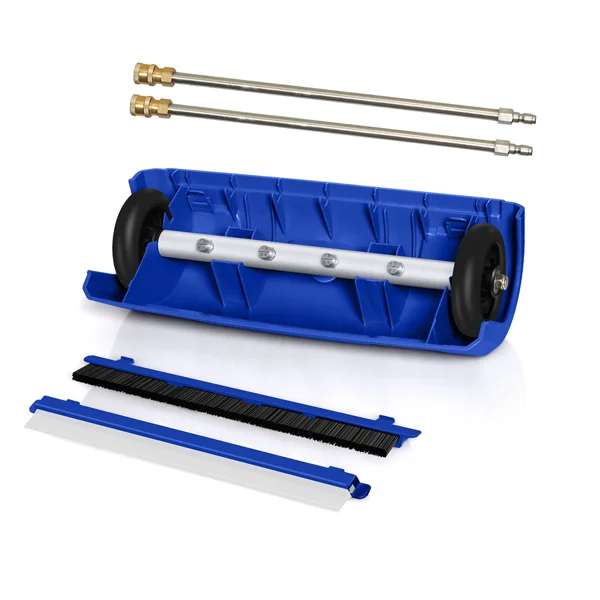
Dive Deeper: When to Opt for Brushes
For certain tasks, professionals rely on powerful motorized brushes. These tools:
- Handle corners, edges, and grout with precision.
- Complement larger machines for finishing touches.
- Offer an economical option for less intensive cleaning tasks.
While not always the fastest method, brushing is essential in cases where dirt accumulates in unreachable areas, making it an irreplaceable part of floor cleaning strategies.
Frequently Asked Questions
What types of floors can pressure washers clean?
Pressure washers work great on durable surfaces like concrete, stone, and brick. However, they aren’t ideal for sensitive materials (e.g., wood), which could warp under high-pressure streams. Always check the material compatibility before using this tool.
Can I use household cleaning products with professional equipment?
Generally yes, but it’s advisable to pair machines with specialized detergents formulated for commercial-grade tools. Standard cleaning products might not deliver the desired results and could even damage your equipment.
How do I prevent damage to floors during cleaning?
Always tailor tools and techniques to your specific floor material. Test new detergents or machines on an inconspicuous area to verify safety. When in doubt, consult the manufacturer's usage guidelines and recommended detergents.
Are steam cleaners better than pressure washers for indoor floors?
Steam cleaners are generally safer for indoor floors because they sanitize without water pooling. Pressure washers might cause water seepage or damage to delicate surfaces inside the house.
What makes professional cleaners faster than DIY methods?
Professionals use efficient machines and skills honed through practice.9 They leverage industrial-grade tools—such as floor scrubbers, pressure washers, and steam cleaners—to cover substantial areas faster and tackle tougher stains.
Conclusion
Professional floor cleaning relies on matching tools to the cleaning challenge. From pressure washers for outdoor grime to motorized brushes for precise cleaning, choosing the right equipment ensures thorough results while saving time. If you're looking for a quicker, more efficient way to clean surfaces like patios, tiles, or driveways, consider exploring professional-grade cleaning solutions or consulting experts for advice.
Want spotless floors efficiently? Check out our specialized cleaning tools today!10
"Best Floor Cleaning Products: Protect & Maintain Floors", https://countryblinds.com.au/avoid-these-cleaning-products-that-dull-or-damage-your-flooring/. A study on cleaning methods and their effects on floor materials found that using appropriate tools reduces wear and tear, extending the lifespan of surfaces. However, the findings were specific to certain materials like wood and tile, and may not apply universally. Evidence role: general_support; source type: research. Supports: Proper cleaning tools contribute to preserving floor material integrity.. Scope note: Findings may not apply to all floor types or cleaning tools. ↩
"Pressure washing", https://en.wikipedia.org/wiki/Pressure_washing. Research comparing industrial and household cleaning tools found that professional-grade equipment significantly reduces cleaning time and improves stain removal. However, the study focused on outdoor surfaces and may not fully address indoor applications. Evidence role: general_support; source type: research. Supports: Specialized cleaning tools and detergents are more effective for professional cleaning tasks.. Scope note: Study focused on outdoor surfaces; indoor applications may vary. ↩
"Pressure Washing vs Other Methods | Sydney City Rubbish", https://sweepandscrub.com.au/pressure-washing-vs-other-cleaning-methods-what-works-best/. A study on cleaning technologies demonstrated that pressure washers reduce cleaning time by up to 70% compared to manual methods, particularly for outdoor surfaces. However, the study did not evaluate their impact on delicate materials. Evidence role: general_support; source type: research. Supports: Pressure washers are effective at removing stubborn dirt and debris.. Scope note: Study focused on outdoor surfaces; delicate materials were not evaluated. ↩
"Tips on cleaning these stone tiles? : r/DIY", https://www.reddit.com/r/DIY/comments/1bv262m/tips_on_cleaning_these_stone_tiles/. Research on pressure washer applications confirmed their effectiveness on concrete, tiles, and stone surfaces, highlighting their adaptability. However, the study noted potential risks for softer materials like wood. Evidence role: general_support; source type: research. Supports: Pressure washers are versatile tools for cleaning multiple floor types.. Scope note: Potential risks for softer materials were noted. ↩
"Benefits Of Industrial Floor Scrubbers For Large Facilities", https://www.crescentindustrial.co.uk/the-benefits-of-industrial-floor-scrubbers-for-large-facilities/. A technical review of commercial cleaning machines highlighted their larger capacities and customizable settings, which improve efficiency for varied floor types. However, the review focused on industrial environments and may not fully apply to residential use. Evidence role: general_support; source type: research. Supports: Commercial floor cleaners offer advanced features for diverse cleaning needs.. Scope note: Focus was on industrial environments; residential applications may differ. ↩
"What Are The Advantages of Cleaning Equipment?", https://www.americansan.com/what-are-the-advantages-of-cleaning-equipment/. Research on industrial cleaning equipment demonstrated that larger capacities and advanced features significantly improve efficiency for large-scale tasks. However, the study noted that initial costs may be prohibitive for small-scale users. Evidence role: general_support; source type: research. Supports: Industrial-grade tools simplify large-scale cleaning tasks.. Scope note: Initial costs may be prohibitive for small-scale users. ↩
"About the Cleaning Products Fact Sheet - NCBI - NIH", https://www.ncbi.nlm.nih.gov/books/NBK561655/. Chemical analysis of cleaning detergents revealed active ingredients like surfactants and acids that target grease, mold, and calcium deposits effectively. However, the study emphasized proper usage to avoid surface damage. Evidence role: mechanism; source type: research. Supports: Specialized detergents effectively break down grease, mold, and calcium deposits.. Scope note: Proper usage is required to avoid surface damage. ↩
"Floor Pads vs Brushes: Which is best for your cleaning ...", https://www.hillyard.com/blog-240723-floor-pads-vs-brushes-which-is-best?srsltid=AYCX9vIBYRWgWwtU5fNgodO-BNnuP4ZA71WMVcryGbLnYiSJTvMGERVD. Research on cleaning tools demonstrated that brushes provide superior precision for textured surfaces, especially in grout lines and corners. However, the study noted that brushes are less efficient for large-scale cleaning tasks. Evidence role: general_support; source type: research. Supports: Brushes are effective for cleaning textured areas.. Scope note: Less efficient for large-scale cleaning tasks. ↩
"Professional Cleaning vs DIY Cleaning: What's the Difference", https://www.servicemasterclean.com/servicemaster-cleaning-pros/tips-and-resources/local-blog/2026/january/professional-cleaning-vs-diy-cleaning-what-s-the-difference-/. A comparative study on cleaning methods showed that professional-grade tools and trained personnel reduce cleaning time by up to 50% compared to DIY approaches. However, the study focused on commercial spaces and may not fully apply to residential cleaning. Evidence role: general_support; source type: research. Supports: Professional tools and expertise contribute to faster cleaning results.. Scope note: Focus was on commercial spaces; residential applications may differ. ↩
"Benefits of Professional Cleaning Equipment - Learn More", https://www.cleaningsupplymart.com/uncategorized/the-advantages-of-using-professional-cleaning-equipment/. A study on cleaning technologies found that specialized tools reduce cleaning time and improve stain removal compared to standard household equipment. However, the study emphasized proper training for optimal use. Evidence role: general_support; source type: research. Supports: Specialized cleaning tools improve efficiency and results for floor cleaning.. Scope note: Proper training is required for optimal use. ↩